๐Ÿ“ข Last date of admissions 31st May 2026.
๐Ÿ“ข All concerned students are informed that the last date for admission is 30th June 2026. All eligible candidates should complete their admission process on or before this date.

MA in Punjabi - Online Mode

Enquire Now

Enquire Now

Why Choose Online MA Punjabi from GNDU?

The Master of Arts in Punjabi offered through online mode is a postgraduate programme designed to develop advanced understanding of Punjabi language, literature, and literary traditions. The curriculum engages learners with classical and modern texts, linguistic studies, and critical perspectives that strengthen analytical, interpretive, and academic writing skills.

Delivered through a structured digital learning framework, the programme enables learners to access academic content, assessments, and faculty-curated resources without physical classroom attendance. The academic structure, evaluation standards, and learning outcomes follow university regulations, ensuring postgraduate-level depth, rigour, and academic credibility.

Program Highlights

Recognised postgraduate degree in Punjabi studies
The programme awards a formally recognised Master of Arts qualification in Punjabi suitable for academic, teaching and cultural research roles. It develops advanced understanding of Punjabi language, literature and heritage.
Curriculum aligned with national higher education standards
The syllabus follows approved academic frameworks to ensure consistency and relevance in regional language education. Subjects are organised to cover literary history, grammar, and linguistic development of Punjabi.
Online delivery with structured academic progression
The programme is delivered in a semester-based online format progressing from foundational language studies to specialised literary interpretation. This structure supports gradual development of analytical and expressive language skills.
Emphasis on literary analysis, language studies, and cultural context
Learners engage with poetry, prose, drama and folk literature along with cultural and historical perspectives. The focus helps in understanding literary themes and regional cultural identity.
Continuous assessment and transparent evaluation framework
Students are assessed through assignments, written submissions and examinations conducted in a clearly defined manner. The evaluation process ensures fairness while monitoring understanding of language and literature concepts.

The Curriculum

Semester 1
  • เจ—เฉเจฐเจฎเจคเจฟ เจ•เจพเจตเจฟ
  • เจชเฉฐเจœเจพเจฌเฉ€ เจธเฉ‚เจซเจผเฉ€ เจ•เจพเจตเจฟ
  • เจธเจพเจนเจฟเจค เจธเจฟเจงเจพเจ‚เจค เจ…เจคเฉ‡ เจ•เจพเจตเจฟ เจธเจผเจพเจธเจคเจฐ
  • เจฒเฉ‹เจ•เจงเจพเจฐเจพ เจคเฉ‡ เจชเฉฐเจœเจพเจฌเฉ€ เจฒเฉ‹เจ•เจงเจพเจฐเจพ
  • เจคเฉเจฒเจจเจพเจคเจฎเจ• เจญเจพเจฐเจคเฉ€ เจธเจพเจนเจฟเจค เจธเจฟเจงเจพเจ‚เจค เจ…เจคเฉ‡ เจตเจฟเจšเจพเจฐ
Semester 2
  • เจญเจ—เจค เจฌเจพเจฃเฉ€
  • เจชเฉฐเจœเจพเจฌเฉ€ เจ•เจฟเฉฑเจธเจพ เจคเฉ‡ เจฌเจฟเจฐเจคเจพเจ‚เจค เจ•เจพเจตเจฟ
  • เจ–เฉ‹เจœ เจ…เจคเฉ‡ เจชเฉฐเจœเจพเจฌเฉ€ เจ†เจฒเฉ‹เจšเจจเจพ
  • เจธเจญเจฟเจ†เจšเจพเจฐ เจคเฉ‡ เจชเฉฐเจœเจพเจฌเฉ€ เจธเจญเจฟเจ†เจšเจพเจฐ
  • เจชเฉฐเจœเจพเจฌเฉ€ เจฎเฉ€เจกเฉ€เจ† เจ…เจคเฉ‡ เจชเฉฑเจคเจฐเจ•เจพเจฐเฉ€
Semester 3
  • เจ†เจงเฉเจจเจฟเจ• เจชเฉฐเจœเจพเจฌเฉ€ เจ•เจตเจฟเจคเจพ
  • เจชเฉฐเจœเจพเจฌเฉ€ เจจเจพเจตเจฒ
  • เจชเฉฐเจœเจพเจฌเฉ€ เจญเจพเจธเจผเจพ เจ…เจคเฉ‡ เจญเจพเจธเจผเจพ เจตเจฟเจ—เจฟเจ†เจจ -เฉง
  • เจชเฉฐเจœเจพเจฌเฉ€ เจจเจพเจŸเจ• เจคเฉ‡ เจ‡เจ•เจพเจ‚เจ—เฉ€
  • เจชเฉฐเจœเจพเจฌเฉ€ เจตเจพเจฐเจคเจ• -เฉง
Semester 4
  • เจชเฉฐเจœเจพเจฌเฉ€ เจ•เจนเจพเจฃเฉ€
  • เจชเฉฐเจœเจพเจฌเฉ€ เจญเจพเจธเจผเจพ เจคเฉ‡ เจญเจพเจธเจผเจพ เจตเจฟเจ—เจฟเจ†เจจ - II
  • เจชเฉฐเจœเจพเจฌเฉ€ เจตเจพเจฐเจคเจ•
  • เจชเจฐเจตเจพเจธเฉ€ เจชเฉฐเจœเจพเจฌเฉ€ เจธเจพเจนเจฟเจค
  • เจตเจฟเจธเจผเจต เจ•เจฒเจพเจธเจฟเจ•เฉ€ เจธเจพเจนเจฟเจค

Who Are These Programs For?

Students seeking recognised higher education without relocating

Working professionals aiming to upskill or earn a formal degree

Learners returning to academics after a career break

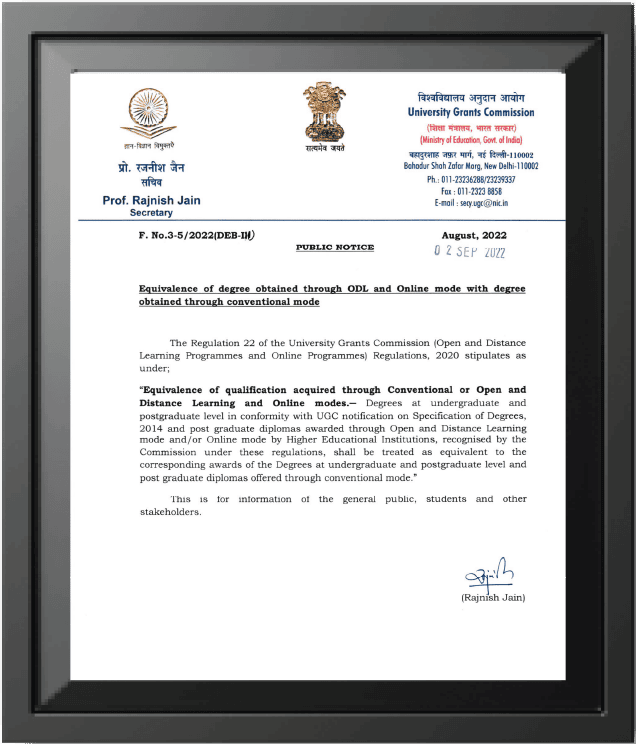
Online Degree =
Regular Degree

According to Regulation 22 of the UGC in 2020, online degrees are now considered just as valid & credible as traditional, offline degrees.

gndu program certificate

Career Opportunities:

Lecturer or Teaching Assistant
Research Assistant
Content Writer or Translator
Editorial Associate
Cultural Programme Coordinator
Civil Services and Competitive Exam Aspirant
Student exploring career opportunities and future education pathways on gndu

Fee Structure

Master of Arts (MA) Punjabi Sem 1 Sem 2 Sem 3 Sem 4
Application Fees โ‚น1,600 - - -
Exam Fee โ‚น3,500 โ‚น3,500 โ‚น3,500 โ‚น3,500
Course Fee โ‚น5,000 โ‚น5,000 โ‚น5,000 โ‚น5,000
Total โ‚น10,100 โ‚น8,500 โ‚น8,500 โ‚น8,500
Total Fee โ‚น35,600

Frequently Asked Questions

Is this programme part of postgraduate literary studies?

Yes, the programme is aligned with advanced ma literature studies at the postgraduate level.

Does this programme support advanced literary education?

Yes, it is designed for learners pursuing a master's in literature with a focus on Punjabi language and texts.

What qualification does the University award on completion?

Graduates receive a recognised ma punjabi degree awarded by the University.

Can this programme be completed through digital learning?

Yes, learners can pursue the programme through punjabi online education without attending on-campus classes.

What topics are covered during the programme?

The ma punjabi syllabus includes literature, language studies, and critical analysis.

Is the programme suitable for studying in the regional language?

Yes, the programme supports learning in punjabi across coursework and academic engagement.

GNDU student studying with laptop in classroom